A Place for Artists, for Ancestors,
for the Ones to Come
MissionIndigenous Creatives Collective is an urban, Native, women-led arts nonprofit rematriating 2 acres of land and amplifying Indigenous creativity across Coast Salish territories, in the Pacific Northwest. We tend the land, invest in our artists, and cultivate creative sovereignty so that Indigenous community members, families, and future generations have a place to belong, create, and experience joy together.
We believe that people and land are interconnected; as we tend the land, we tend to one another, creating a future rooted in care and community. Through art-making, ecological restoration, and collective gatherings, we are cultivating permanent Indigenous cultural infrastructure in South Seattle. This is a living, breathing space that holds memory, lifts stories, and keeps the fire burning for those who came before us, building an enduring legacy of art and land for the next seven generations.
We prioritize the voices of Indigenous women, Two-Spirit and LGBTQIA+ individuals, and young people. We uplift Afro-Indigenous, multiracial, and displaced urban Natives, and all who have been overlooked. We are committed to paying our artists what they are worth, sharing our resources, and fostering a culture of care among community members.
We are our community. We are our ancestors.



Rematriation through Restoration
(47.5148, -122.2696)
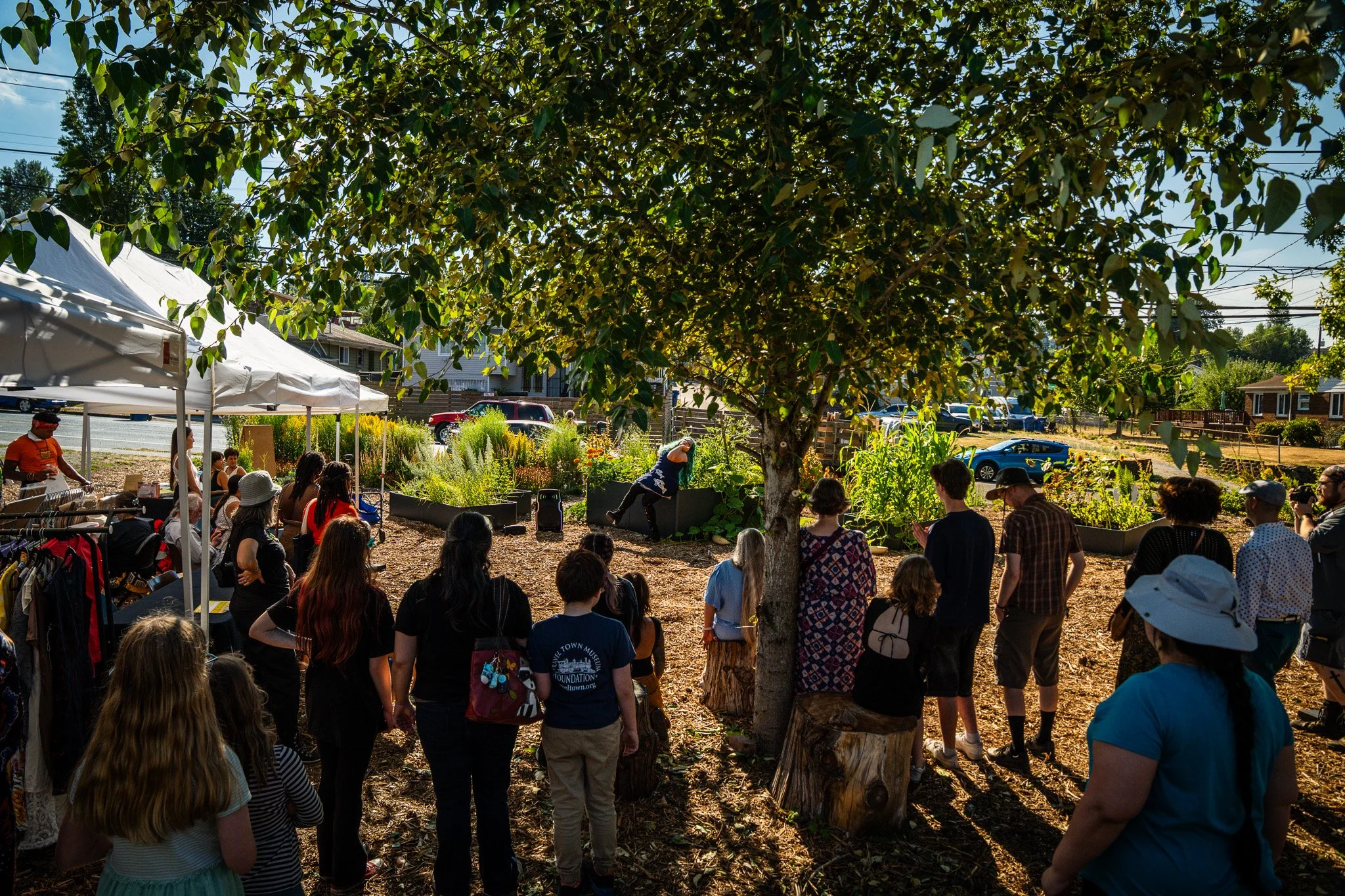
The LandTwo acres of undeveloped land in Seattle’s Rainier Beach neighborhood sit tucked away from the road. As you walk along the winding trails, you see native plants bursting through the soil, projects and art being created, and hear the creek in the distance, sounds of trees in the wind, and the birds overhead.
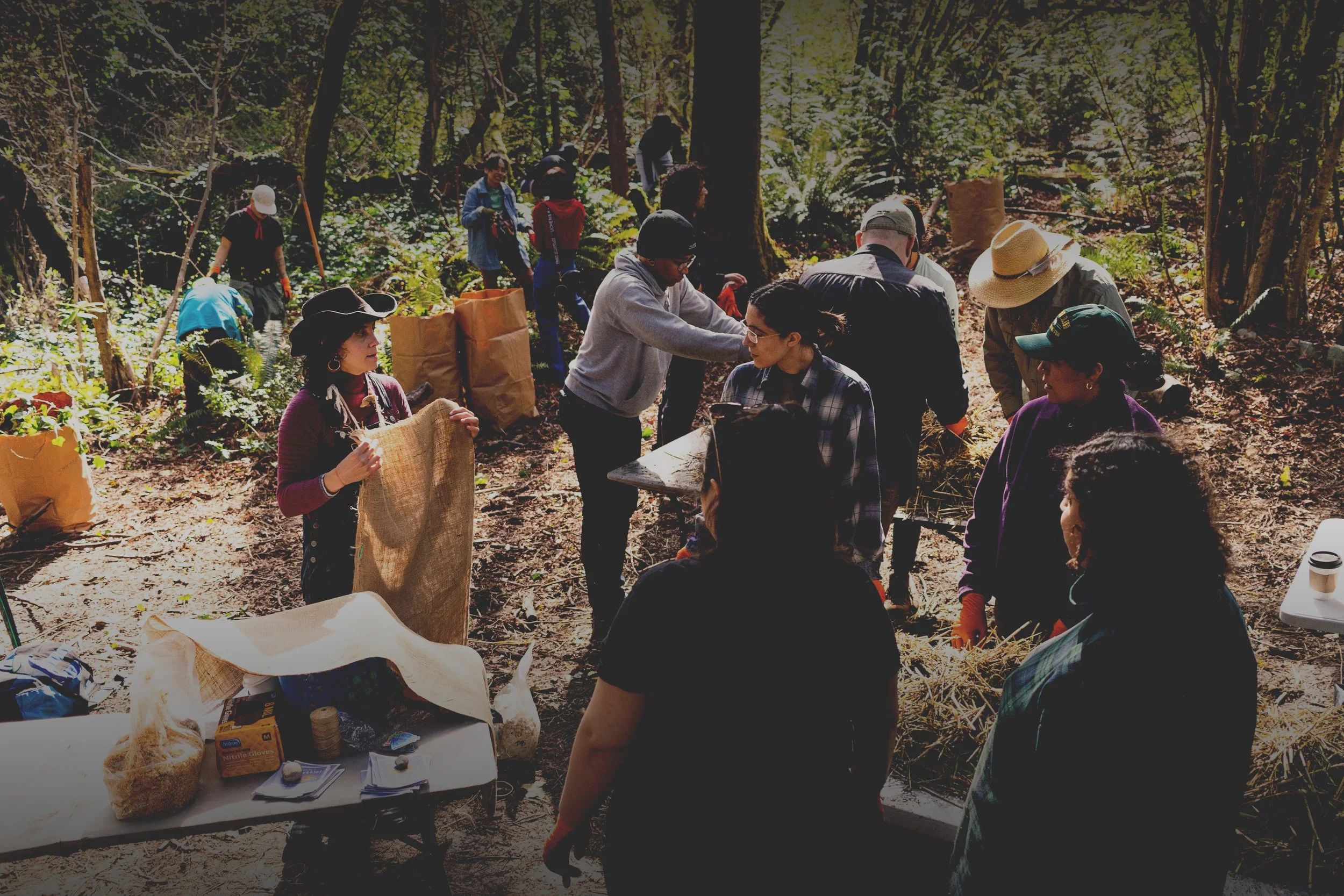
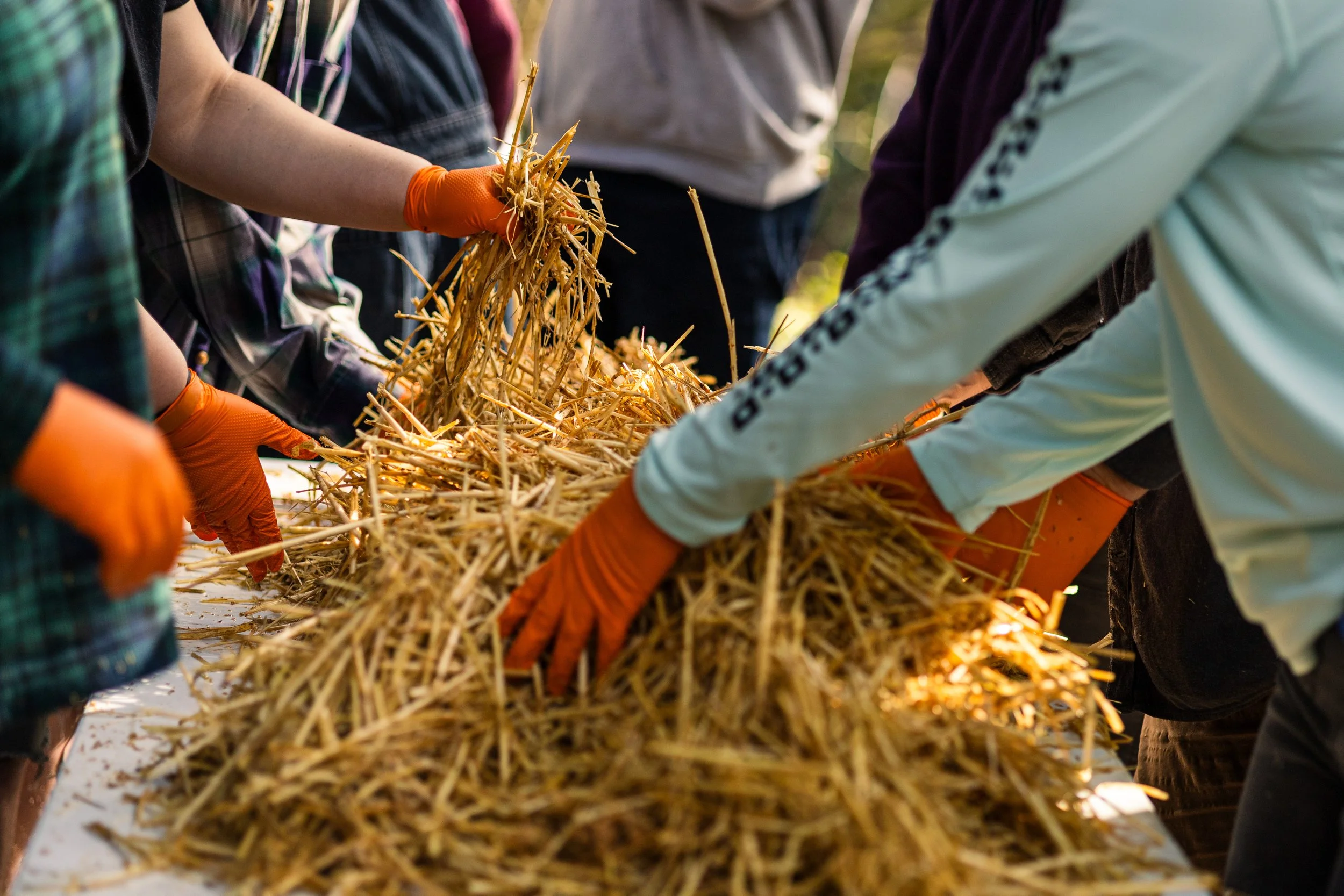
We are rematriating this land with the help of many hands in our community, lovingly restoring it and creating a safe space for future generations to enjoy. We believe that people and land are not separate; we are the land, and the land is us. From that truth, everything else grows.
Join us on the grounds!
Follow us on Instagram for events and arts opportunities.
Or subscribe to our newsletter to have news and events arrive in your inbox.
The Brick House
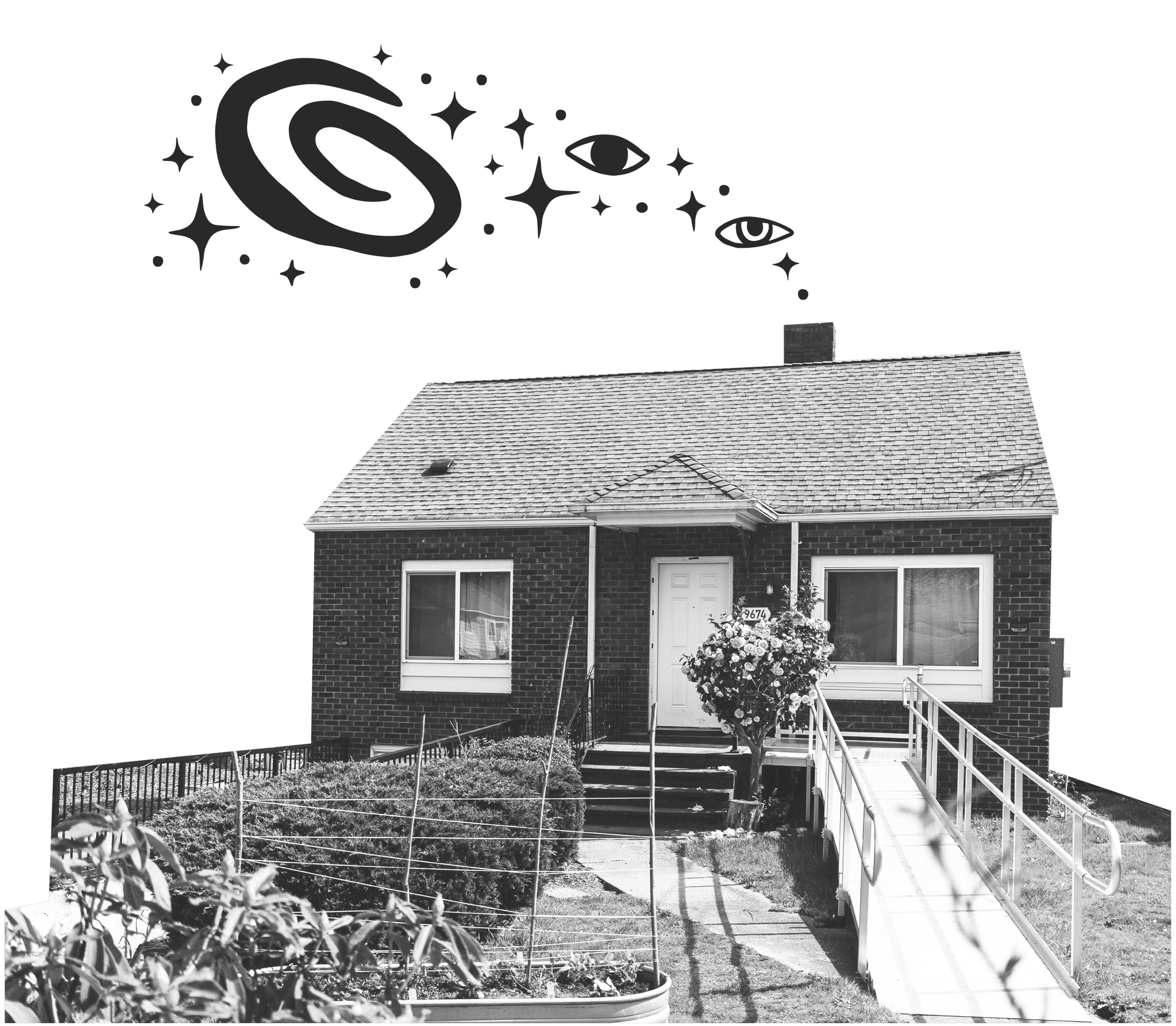
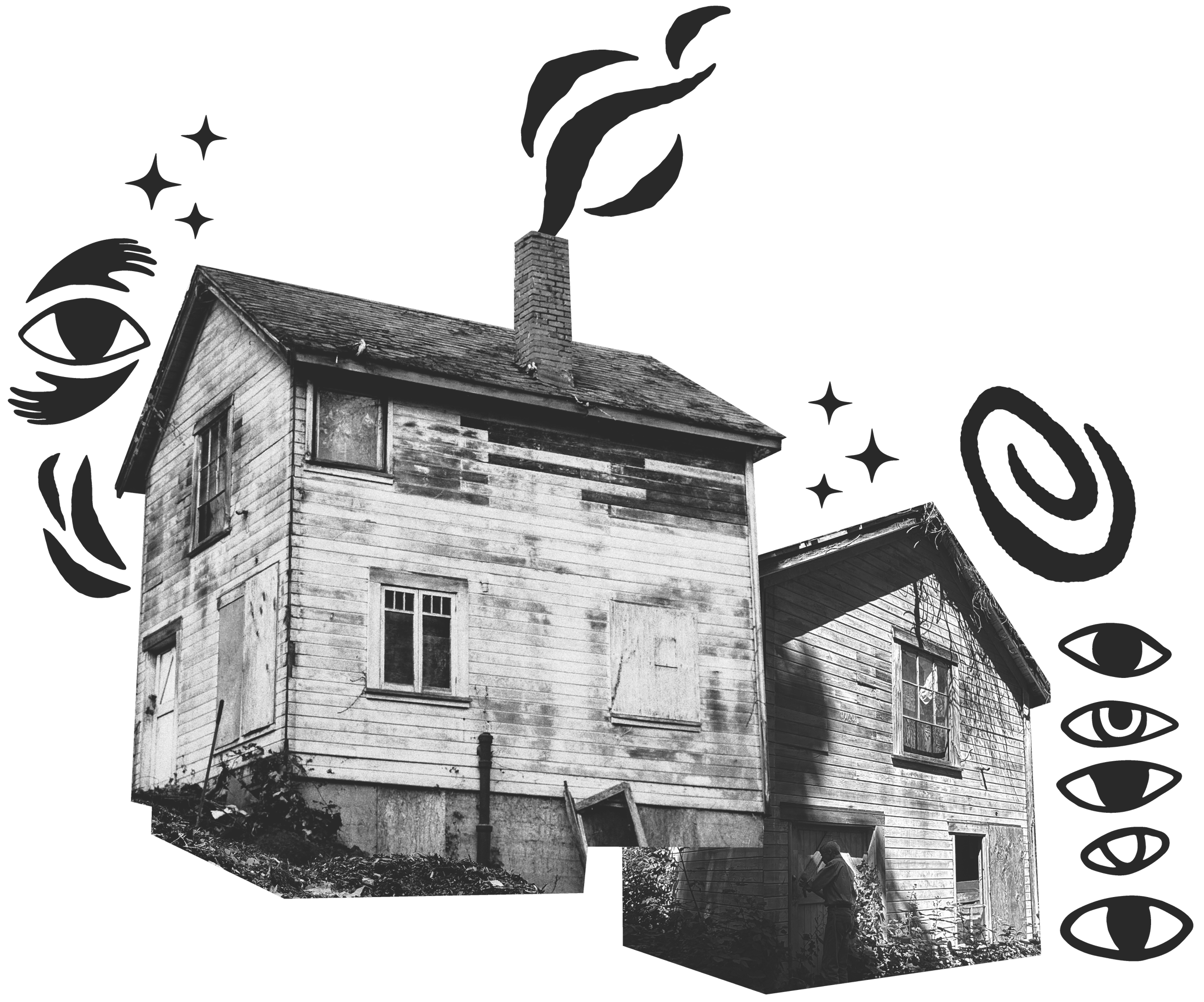
Our gathering space for all indoor activities. It includes our kitchen, conference room, library, drying room for plants and nursing room for families — all designed for intergenerational healing and community building. Available for community use and is FREE.
01
Rematriation Pavilion
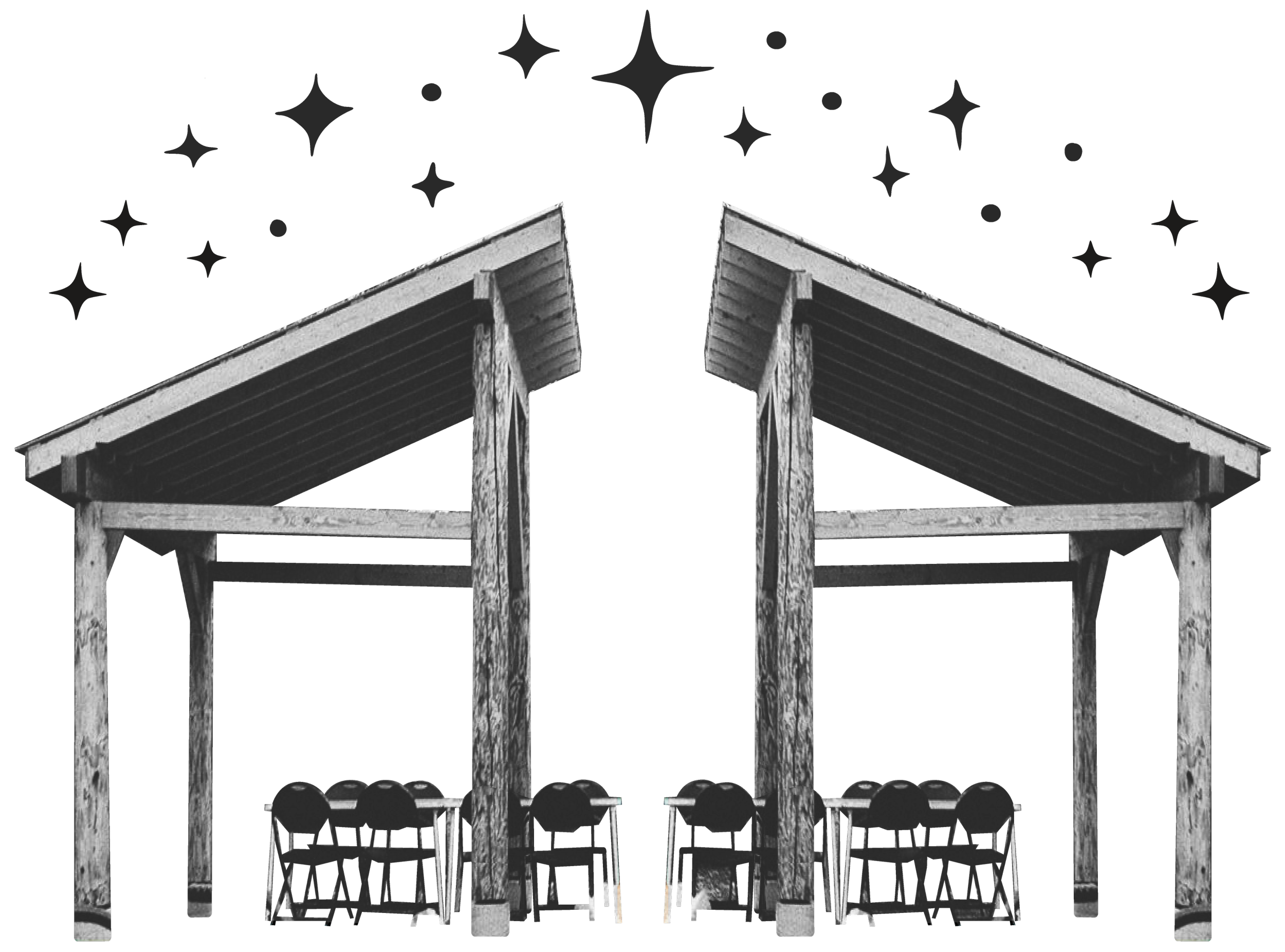
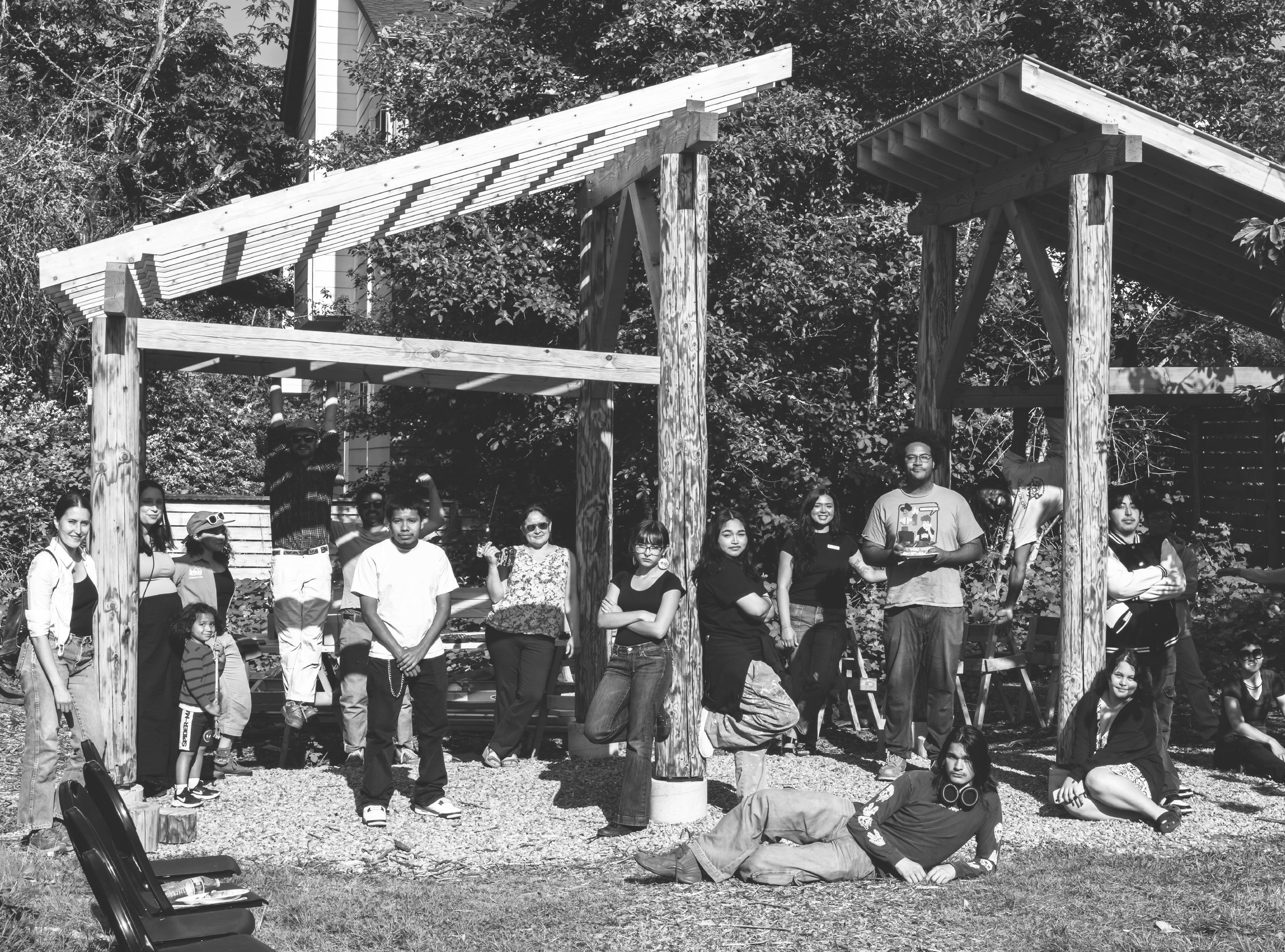
This versatile multi-use space was built by Sawhorse Revolution’s Youth Cohort and serves as a gathering place for classes, workshops, feasts, and community events here at Indigenous Creatives Collective. The pavilion incorporates original timbers from Kimberly Deriana's (Mandan & Hidatsa) Brings the Medicine Sundial, a 2019 temporary public sculpture that brought healing, recognition, and awareness during the collective’s founding exhibition.
02
Wishing Well
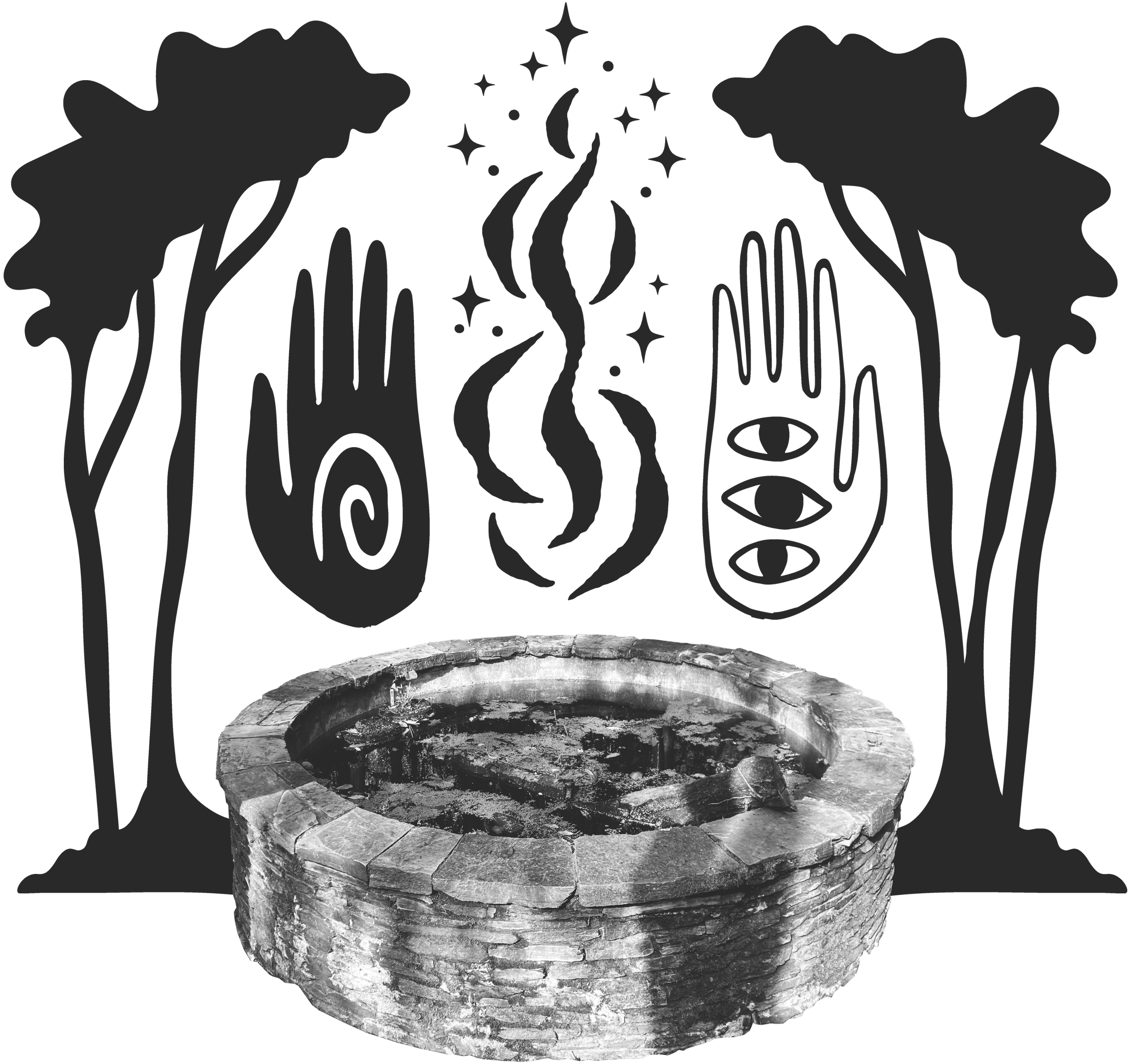
This wishing well was uncovered beneath the ivy during the initial clean-up of the land and is currently being converted into an aquaponic pond.
03
The Greenhouse
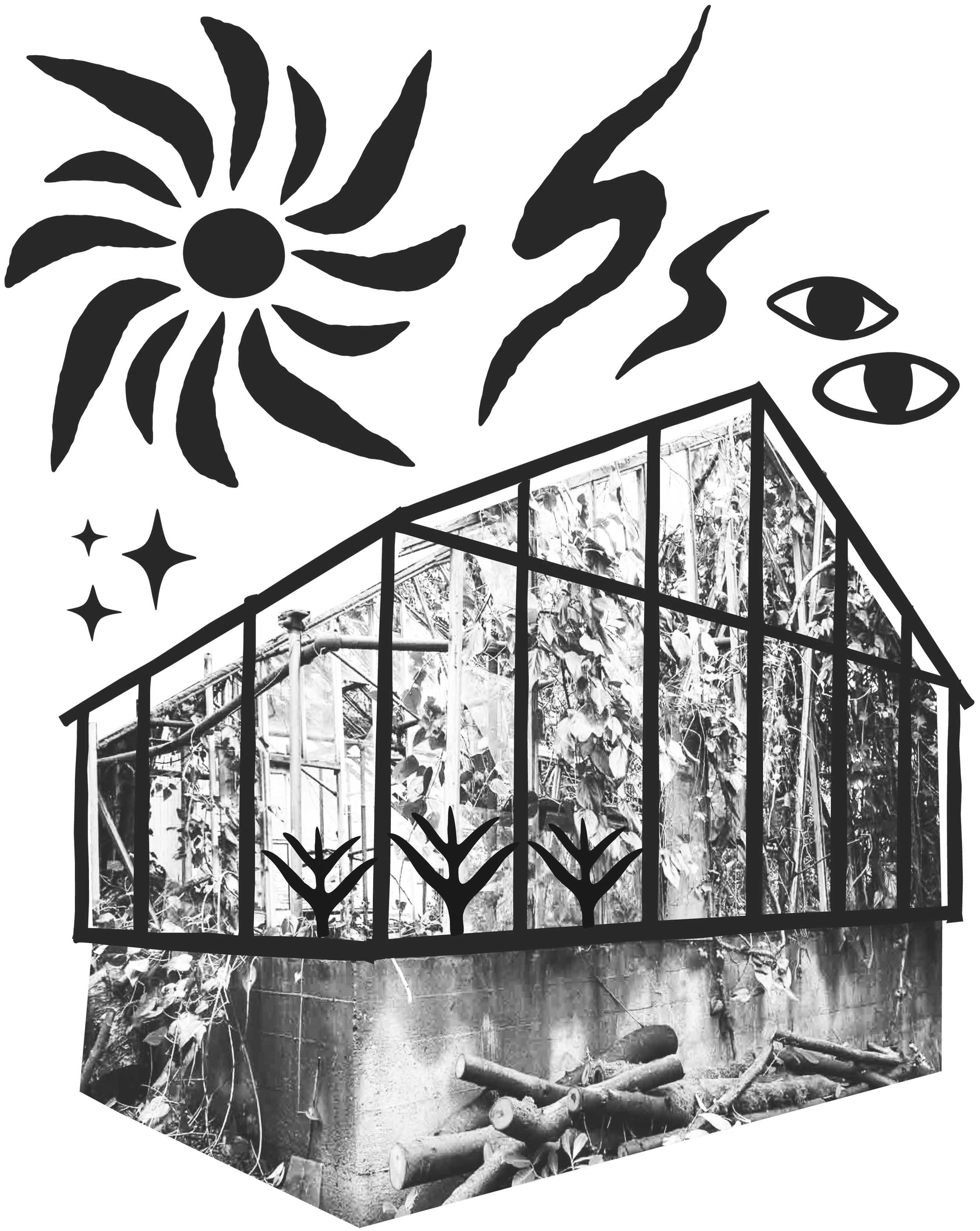
We're bringing new life to our historic 330 sq. ft. greenhouse! This off-grid rebuild will serve as a community hub for seed starting, workshops, and gatherings, with rainwater collection and solar power to keep things sustainable and accessible. View the plans on the plaque and keep an eye out for updates as it continues to be built.
04
The Carriage Houses
Our future coworking space, gallery and library. Our preservation and restoration work aims to transform the carriage house — once used by blacksmiths, drivers, gardeners and cooks — to serve Indigenous artists while honoring the stories of the working-class people who once occupied the space.
05
The Fireplace
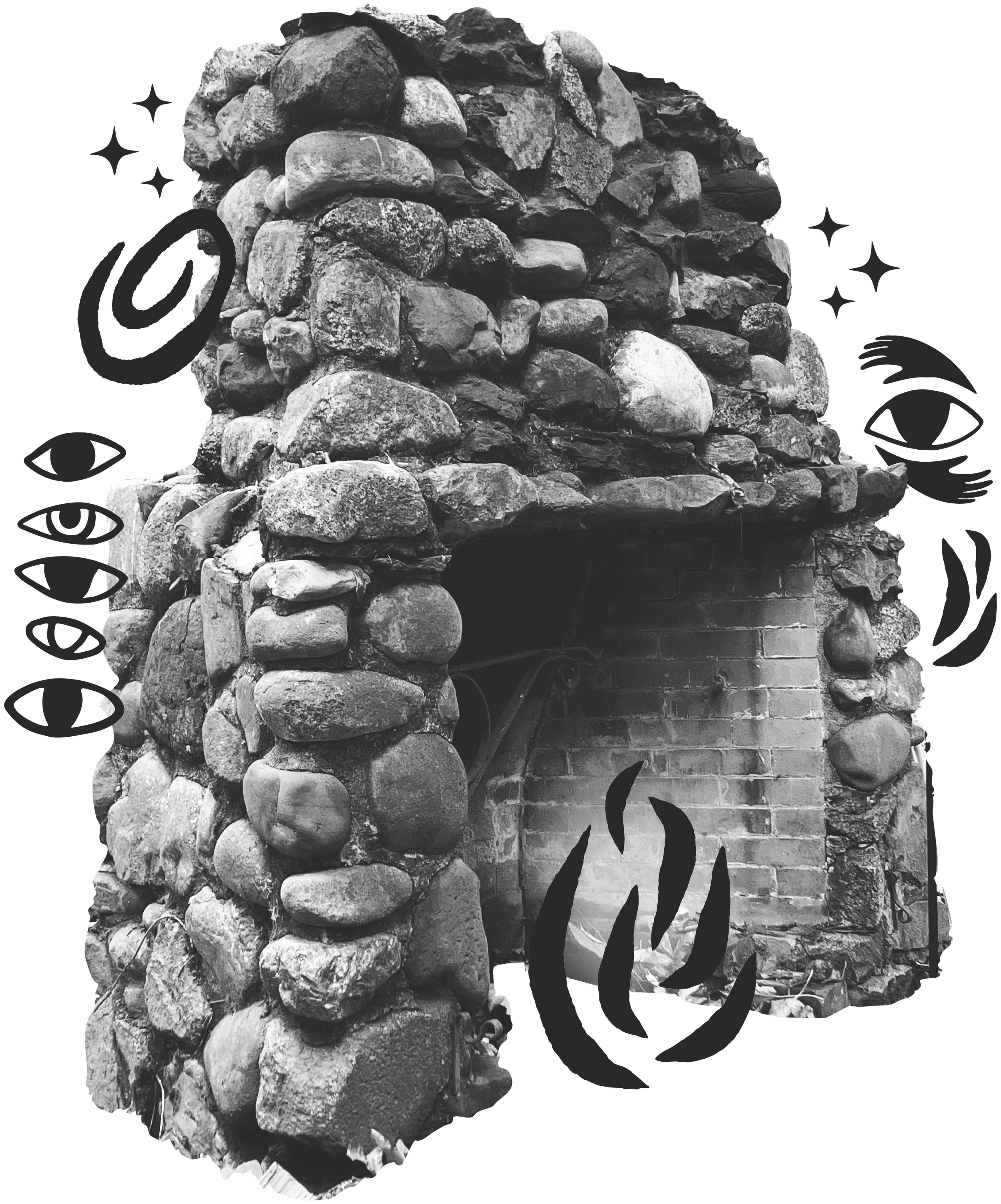
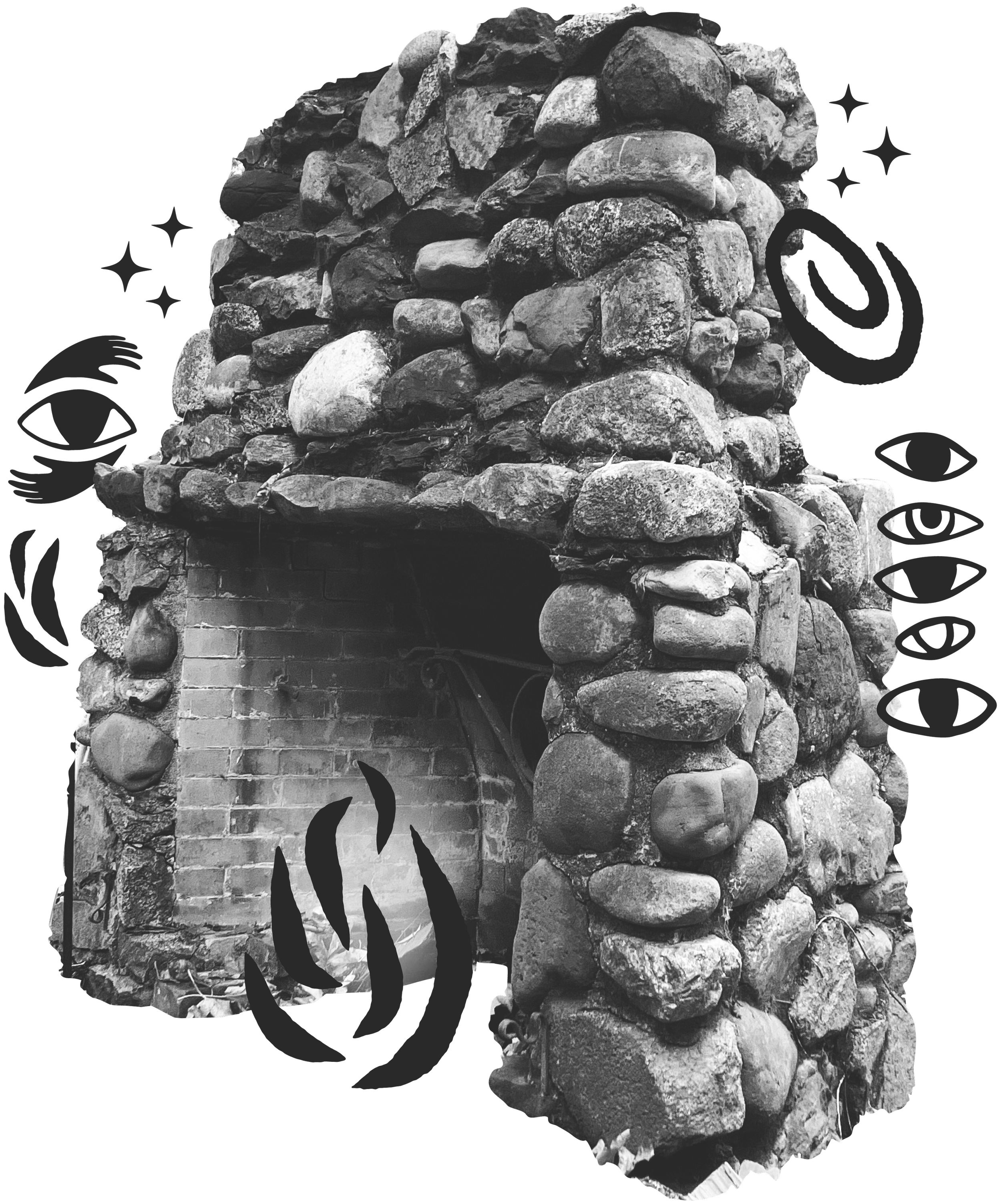
The fireplace was uncovered during our initial work to remove overgrowth. Once hidden in the brush, this stone monolith now serves as a gathering point for our storytelling and poetry events, and keep us warm during our land restoration work. The fireplace stands near Mapes Creek, pairing the crackle of its flames with the babble of water coursing through the grounds.
07
Mapes Creek
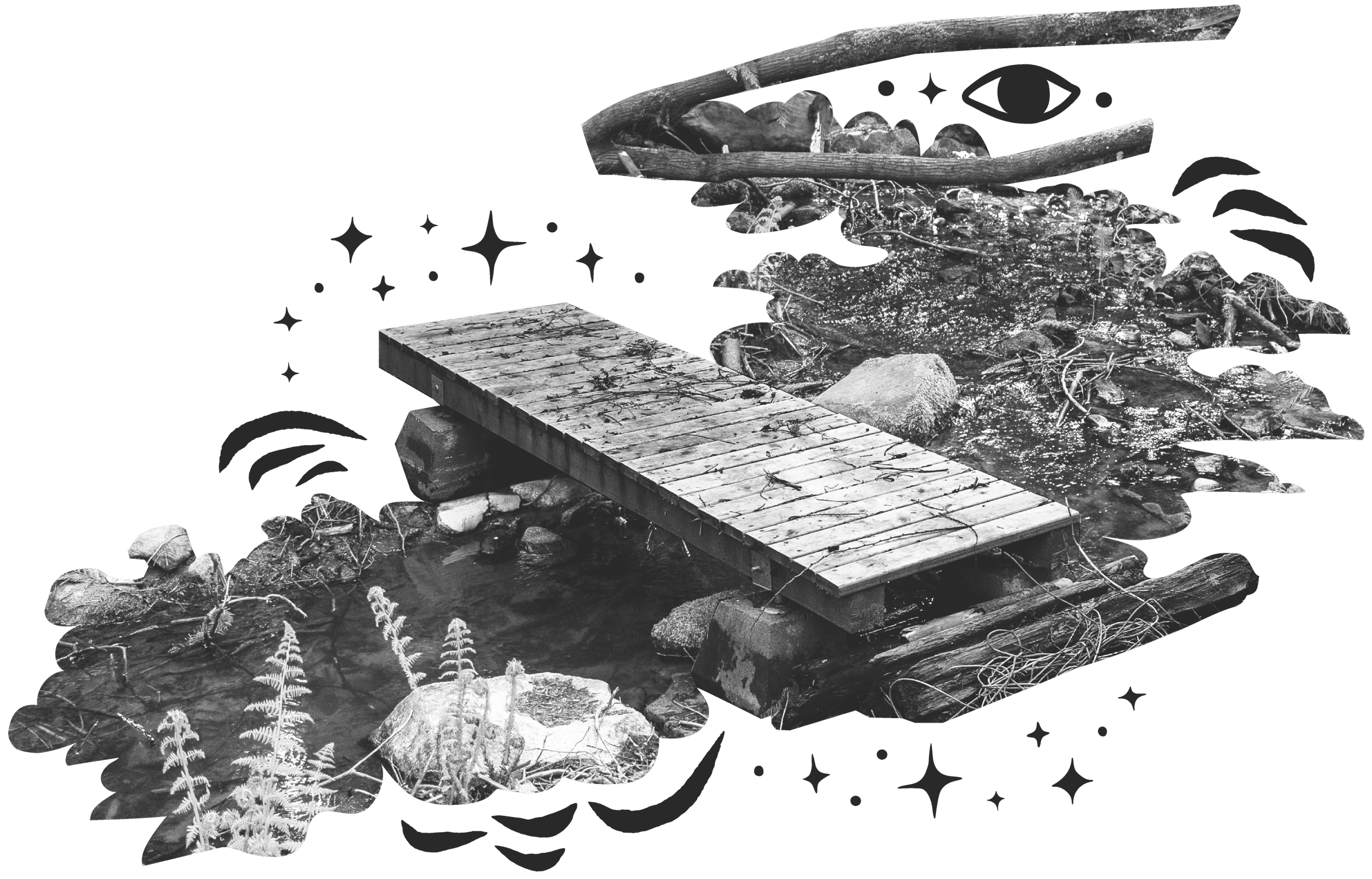
Mapes Creek, known as dxʷwuqʷəb or Loon Place, meanders through the Rainier Beach neighborhood of Seattle, flowing through Kubota Garden and Be'er Sheva Park on its way to Lake Washington. Less than 100 years ago, salmon were a common sight in this area, and while we might not see them spawning here just yet, we're committed to creating a thriving ecosystem where they can return. Restoring Mapes Creek is a community effort and part of our work to rematriate and care for the land.
08
Garden Beds
Our garden beds provide a space for our community to learn about medicinal and traditional plants during our open-house volunteer days. Our main garden beds are filled with traditional dye plants, vegetables, and herbs that we harvest for workshops and cultural activities, while our Cherokee Garden Beds feature traditional Cherokee plants grown from heirloom seeds.
09
Explore our upcoming events to join us on the grounds for workshops, exhibitions and hands-on work days.
Land Restoration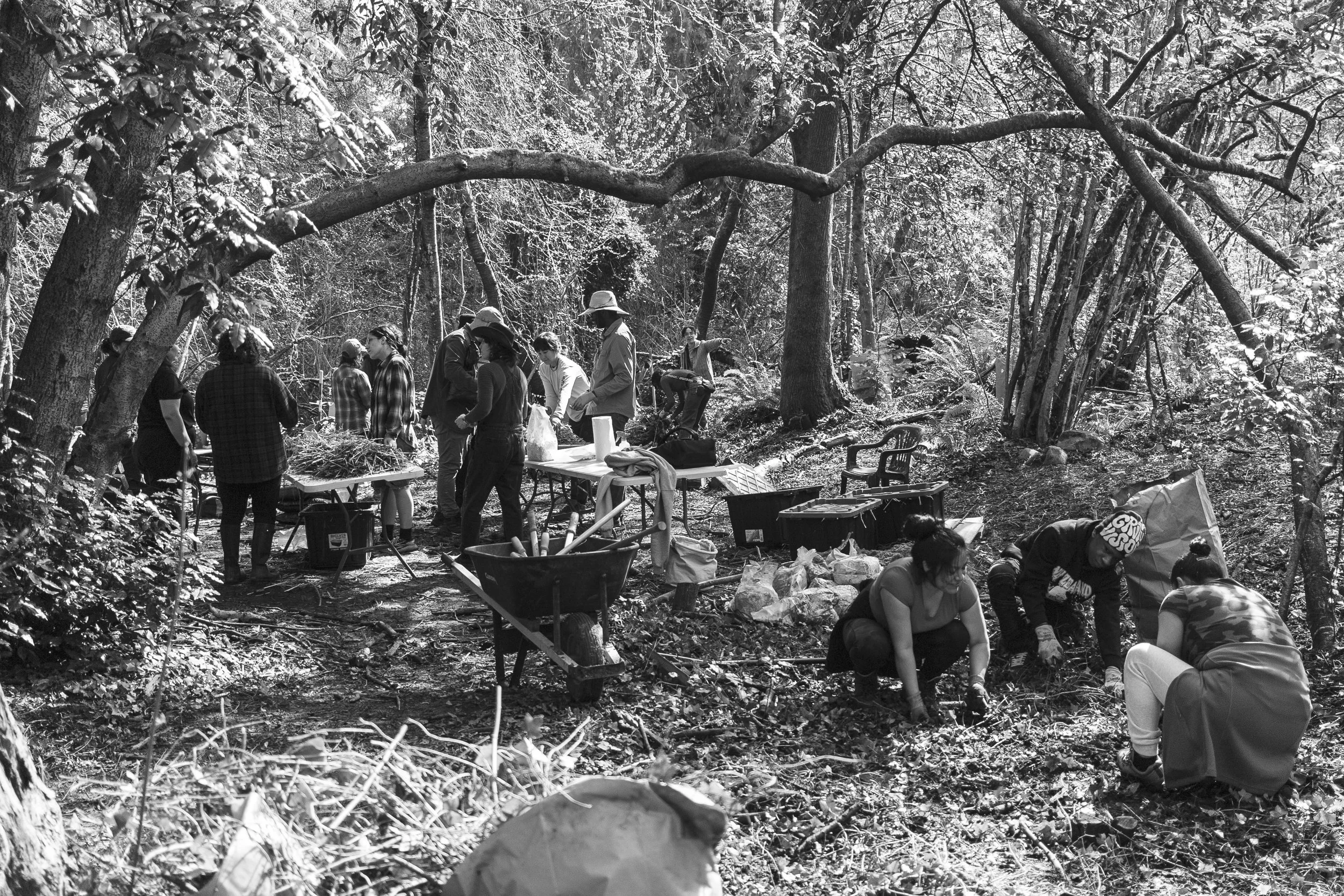
Ongoing and Completed Land Projects
Greenhouse Rebuild
2025-27
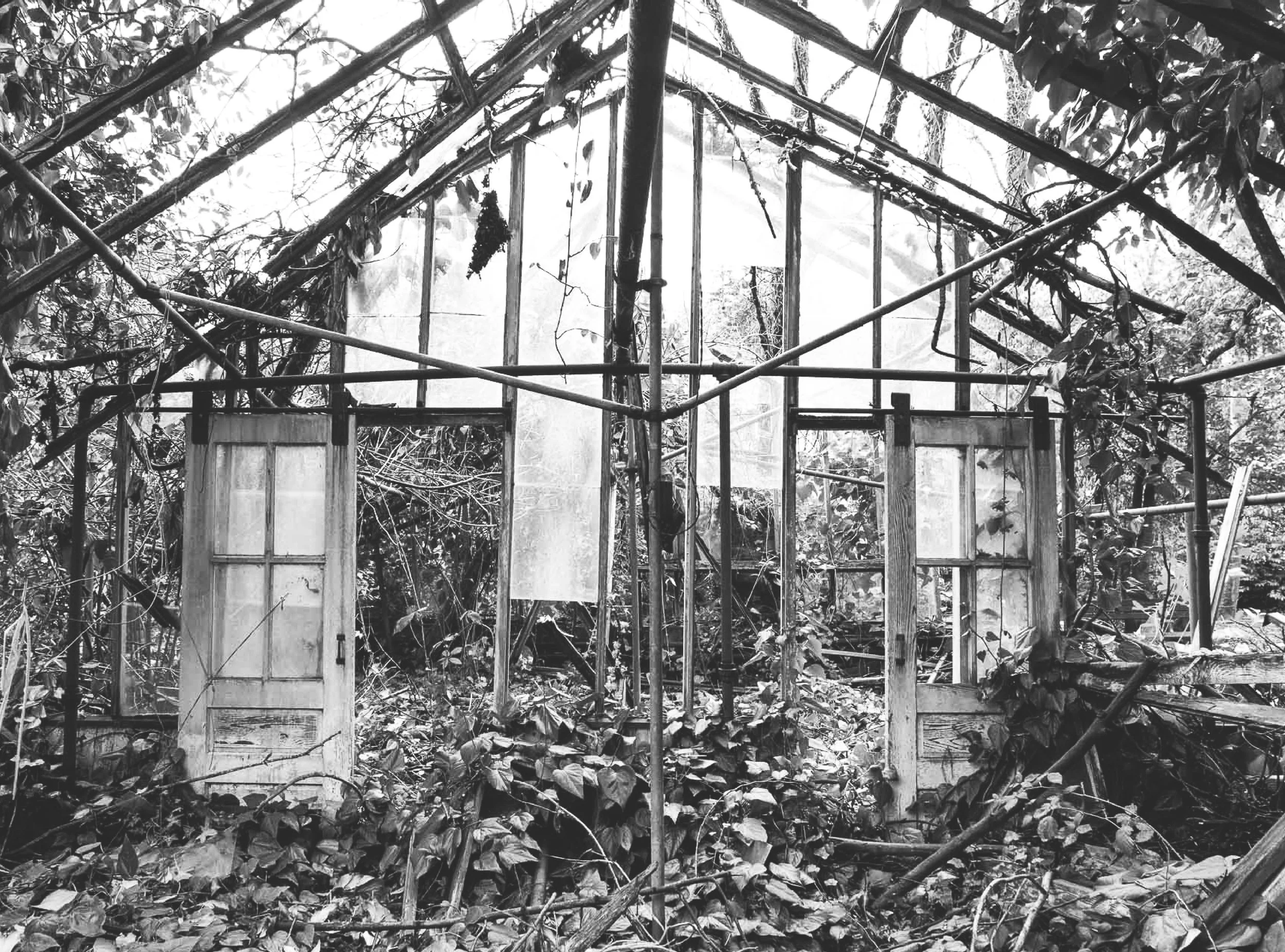
We're bringing new life to our historic 330 sq. ft. greenhouse! This off-grid rebuild will serve as a community hub for seed starting, workshops, and gatherings, with potential additions of rainwater collection and solar power to keep things sustainable and accessible. The project showcases modern Indigenous design and build methods and thoughtful touches to delight all visitors—think custom woodwork, tile work, and built-in furniture that weaves traditional and contemporary elements throughout the space. We're working to add ADA-accessible pathways that connect the greenhouse to our native berry garden, future children's play area, and ceremonial spaces.
Carriage House
2025
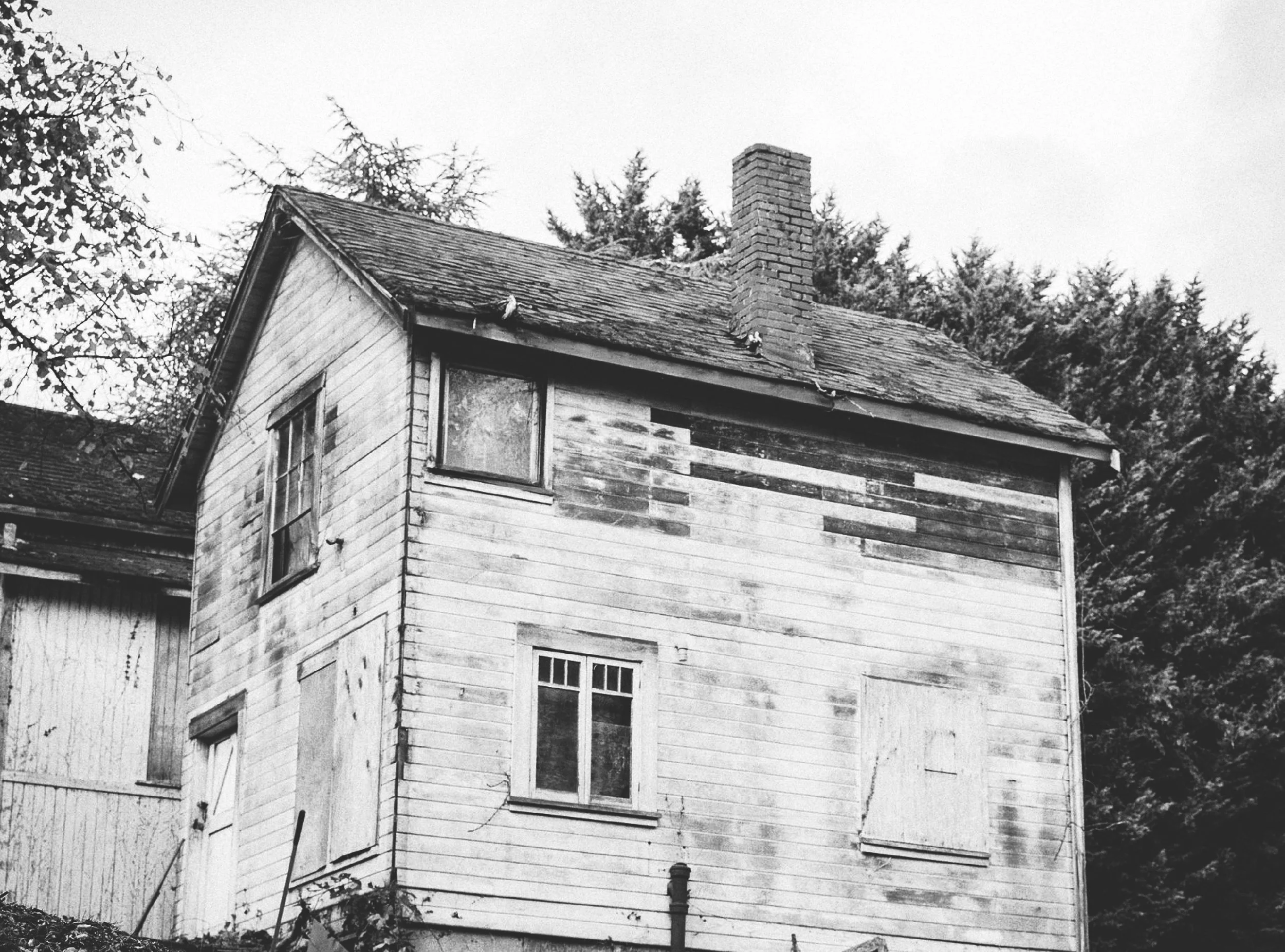
Our preservation and restoration work aims to transform the carriage house — once used by blacksmiths, drivers, gardeners and cooks — into a coworking space with a library and gallery, to serve Indigenous artists while honoring the stories of the working-class people who once occupied the space.
Rematriation Pavilion
2025
This versatile multi-use space serves as a gathering place for classes, workshops, feasts, and community events here at Indigenous Creatives Collective.
We extend our gratitude to Sawhorse Revolution's staff, mentors, and dedicated youth cohort for their incredible work in building this structure. Special thanks to roster artists and leaders Jennifer Angaiak Wood and Kimberly Corinne Deriana, who guided students and wove Indigenous wisdom into every step of the process.
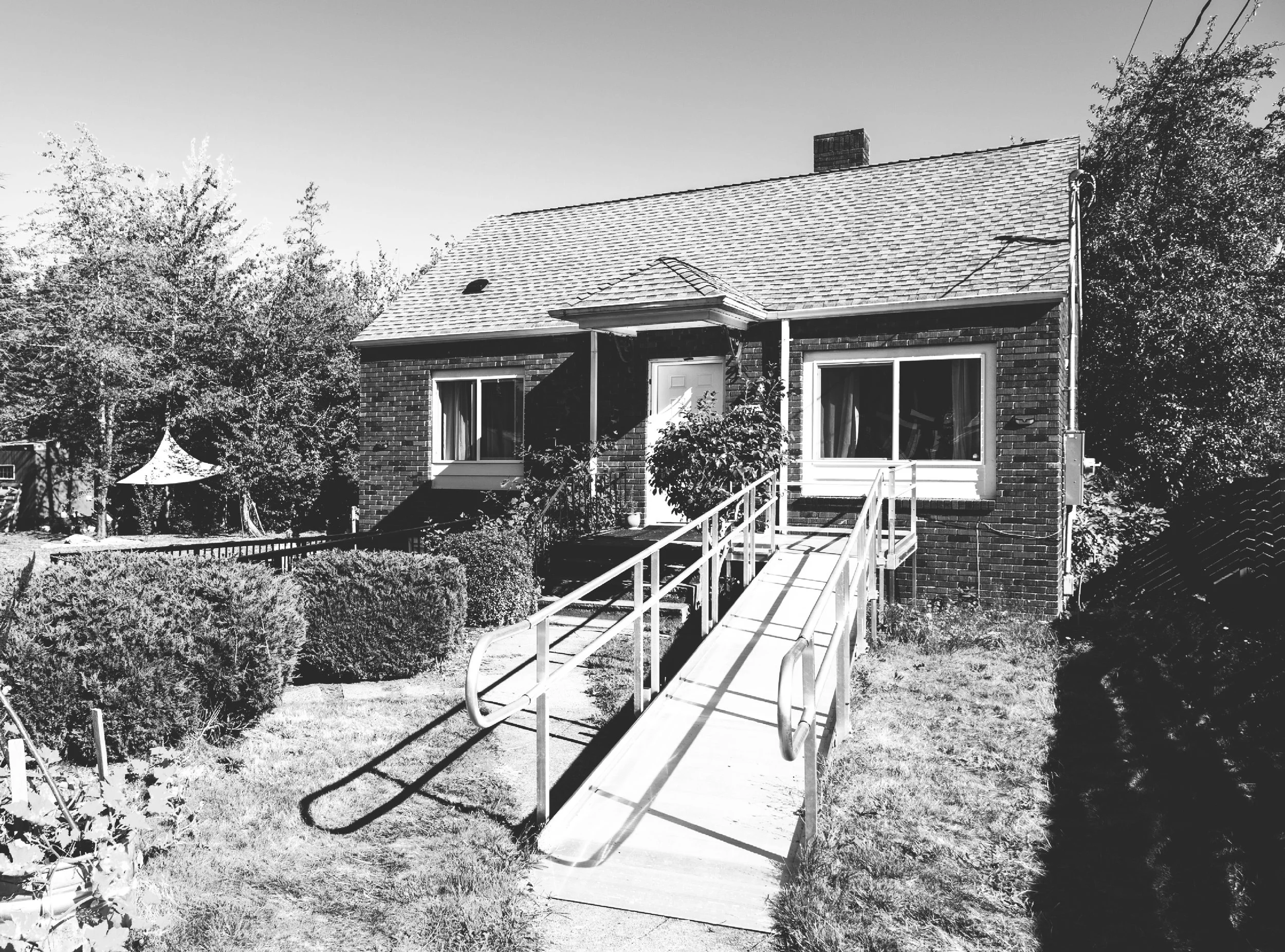
Brick House & Space Rentals
2024
In March 2024, we purchased the neighboring 1,270-square-foot home to complement our existing 1.5-acre land acquisition. This expansion marks a new chapter for the collective, enabling us to continue our mission of fostering Indigenous creativity, intergenerational healing, and community building.
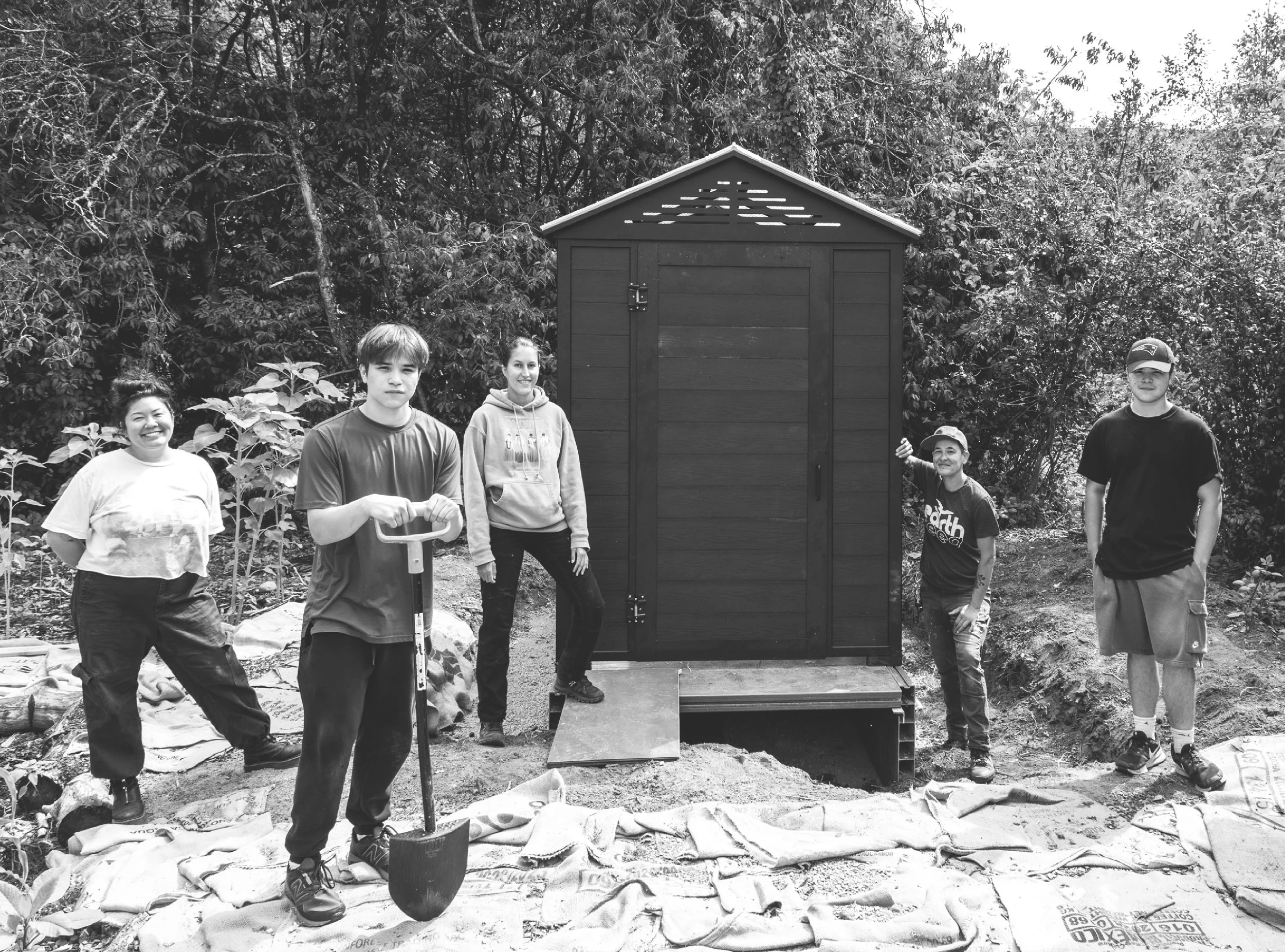
Accessibility Additions
2024
ADA-accessible Outdoor Restroom, Composting Toilet, & Ramp to Brick House: We have an ADA-accessible ramp into the house and Wheelchair Accessible Composting Toilet adjacent to the house.
Please don’t hesitate to reach out to asia@indigenouscreatives.org for additional accessibility requests.
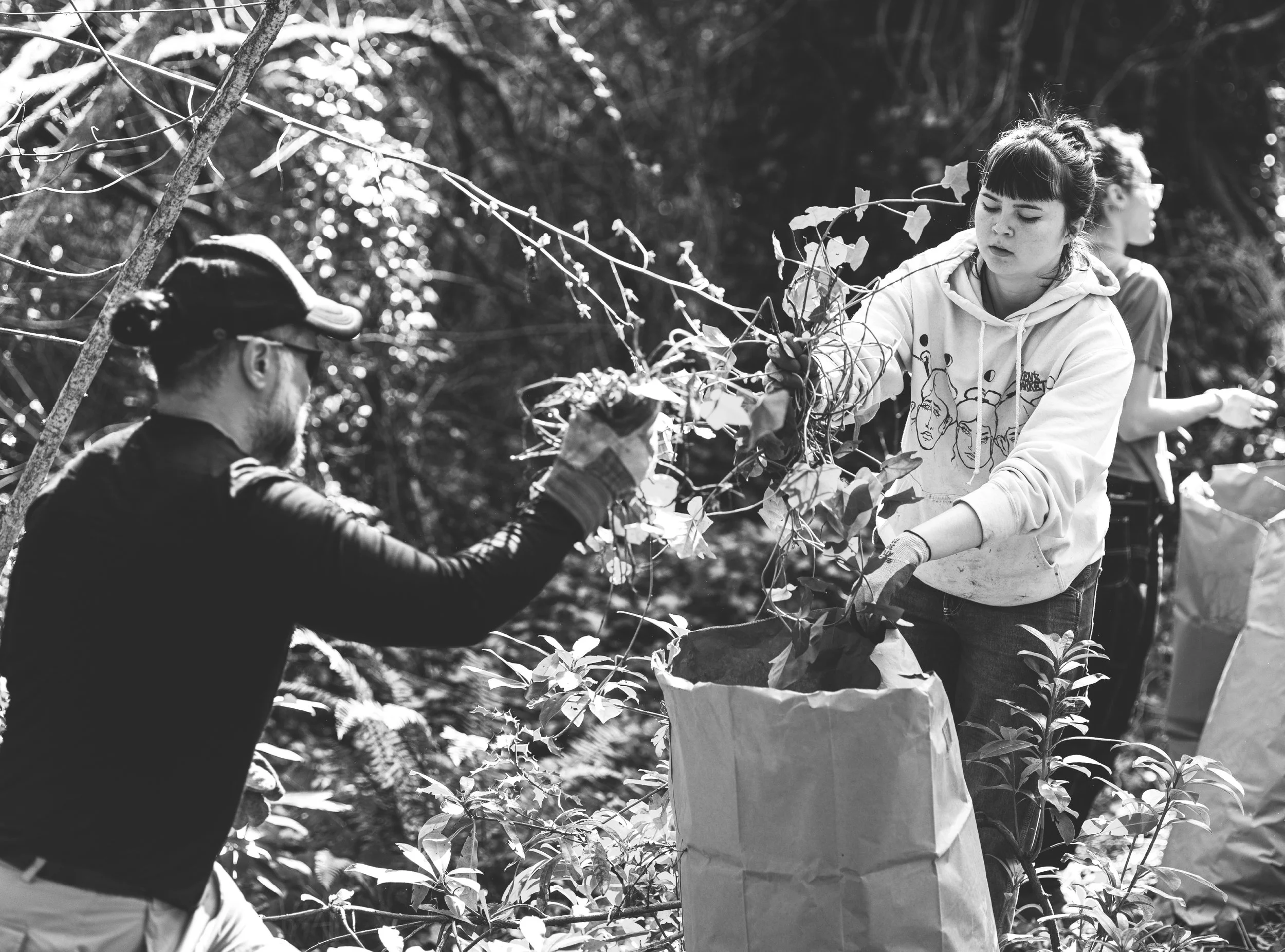
1.5 Acres of Undeveloped Land
2022
On December 27, 2022, we purchased 1.5 acres (62,565 square feet) of land in South Seattle’s Rainier Beach neighborhood. It is a long, rectangular property which is 629-feet-long along its east-west dimension and nearly100-foot-long along its north-south dimension, which runs along 51st Ave. S. Our work begins…
To contribute to our ongoing land restoration work, consider one of the many ways to support us here:

LeadershipOur staff and board bring diverse perspectives and lived experiences to our work in community.
-
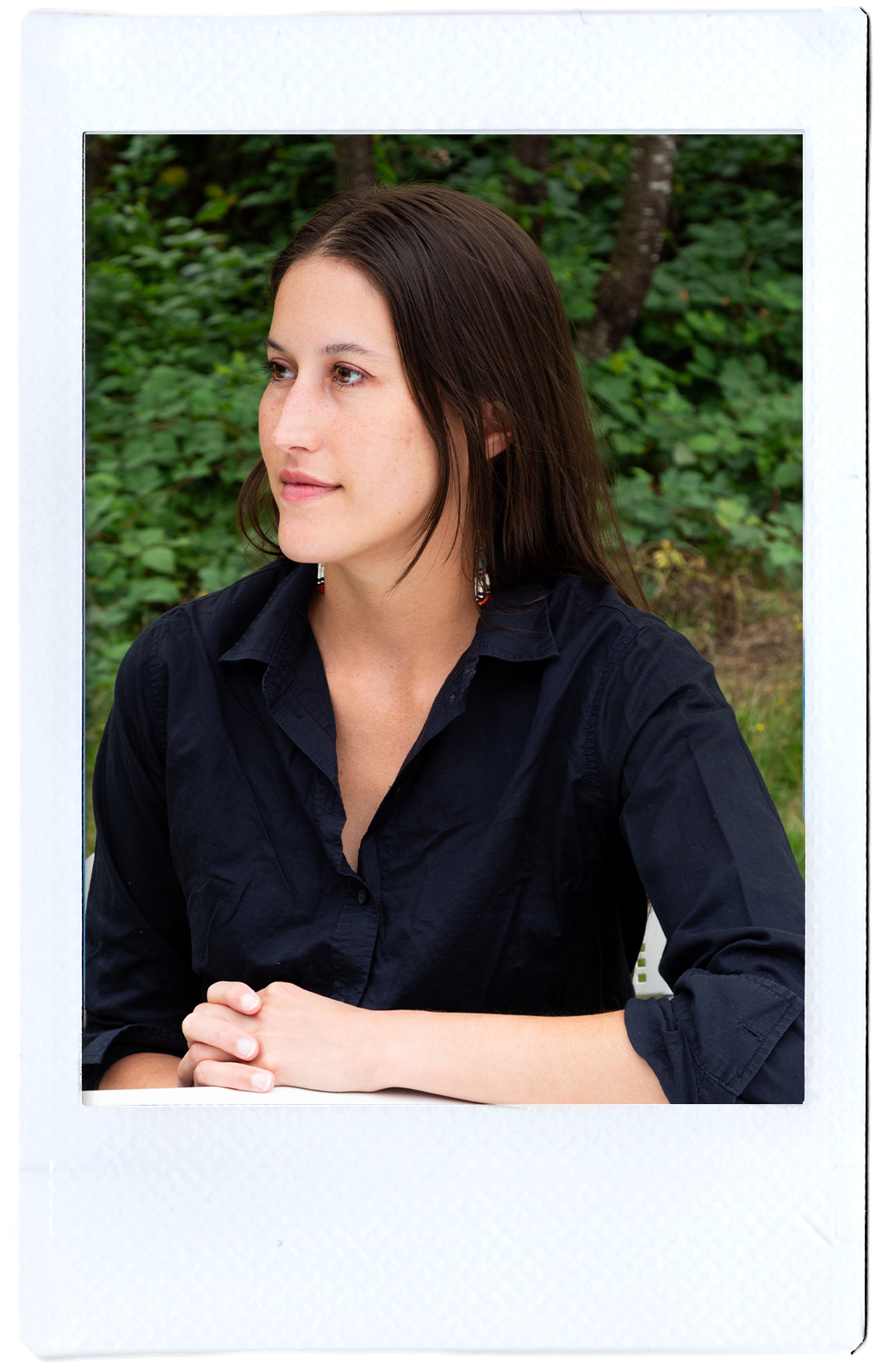
Asia Tail, Executive Director
Asia Tail is an artist and community organizer based in South Seattle, Washington. She attended the Cooper Union School of Art in New York and graduated with a Bachelor of Fine Arts degree in 2014. In 2018, she co-founded yəhaẃ Indigenous Creatives Collective, engaging with hundreds of interdisciplinary artists across the Pacific Northwest. Asia now works as an advocate and arts consultant with several local organizations to channel resources into Indigenous communities. She is a citizen of the Cherokee Nation of Oklahoma, born and raised on Coast Salish territories.
-
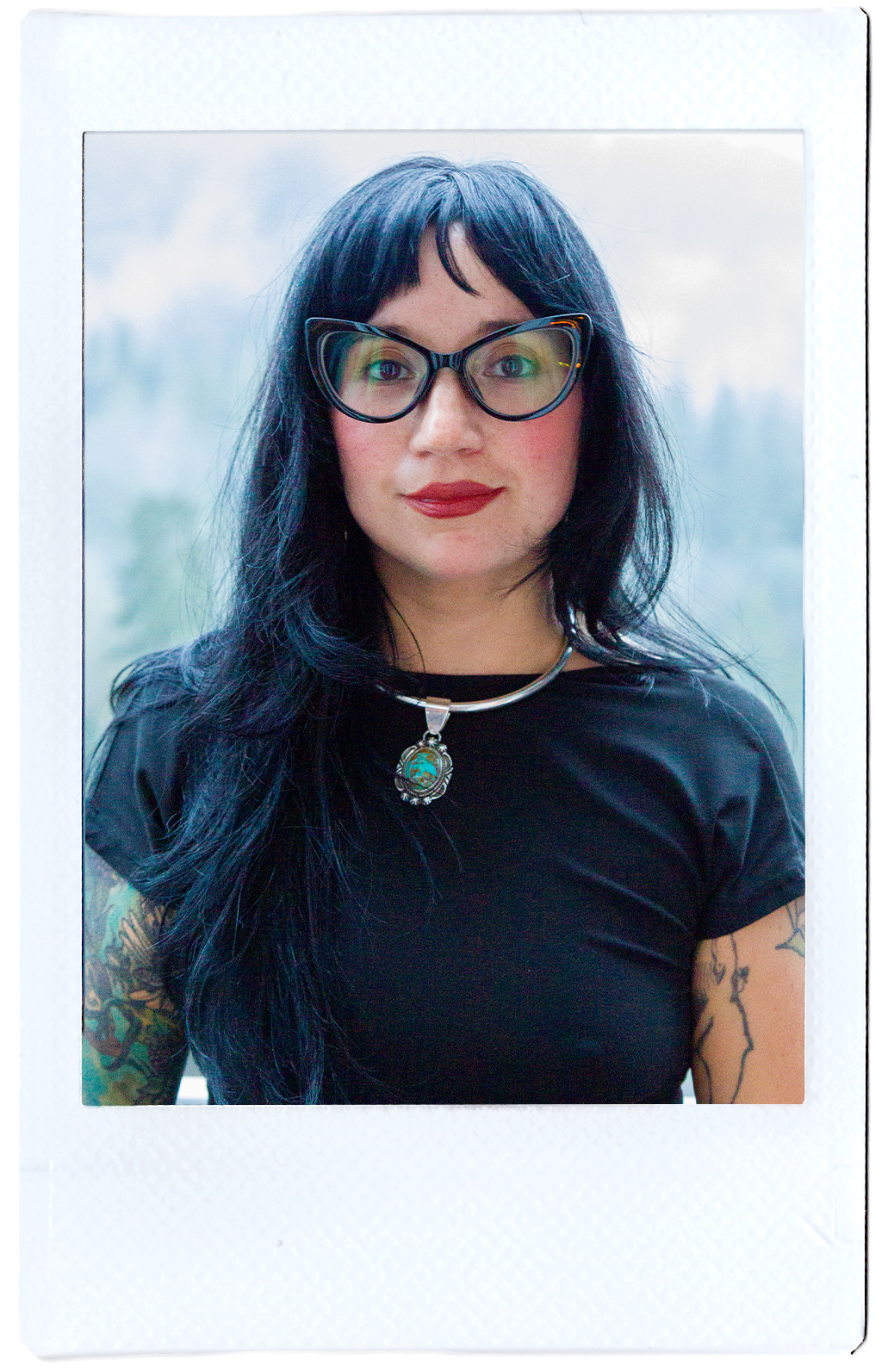
Mikaela Shafer, Storytelling Lead
Mikaela Shafer (Hopi) is a mother, artist, and community builder residing in Olympia, Washington. With a passion for storytelling and marketing, she has amassed over 15 years of experience helping businesses tell their stories and build community through a strategy of authentic content that inspires, educates, and uplifts. Her marketing business, Maqa Collective, collaborates with organizations and individuals who are making positive impacts in their worlds. Within her community, Mikaela serves as the Co-Chair of the Downtown Olympia Creative District and as a Curator at TCMoFA (Thurston County Museum of Fine Arts). She was recently honored with the LIFT Award for Indigenous artists through the Native Arts and Cultures Foundation and the Artist Innovator Award through Artist Trust, as well as a blue ribbon from the Santa Fe Indian Market. Through her artistic endeavors, community engagement, and storytelling, Mikaela strives to make a meaningful impact on the cultural landscape, advocating for inclusivity and empowerment in her community and beyond.
-
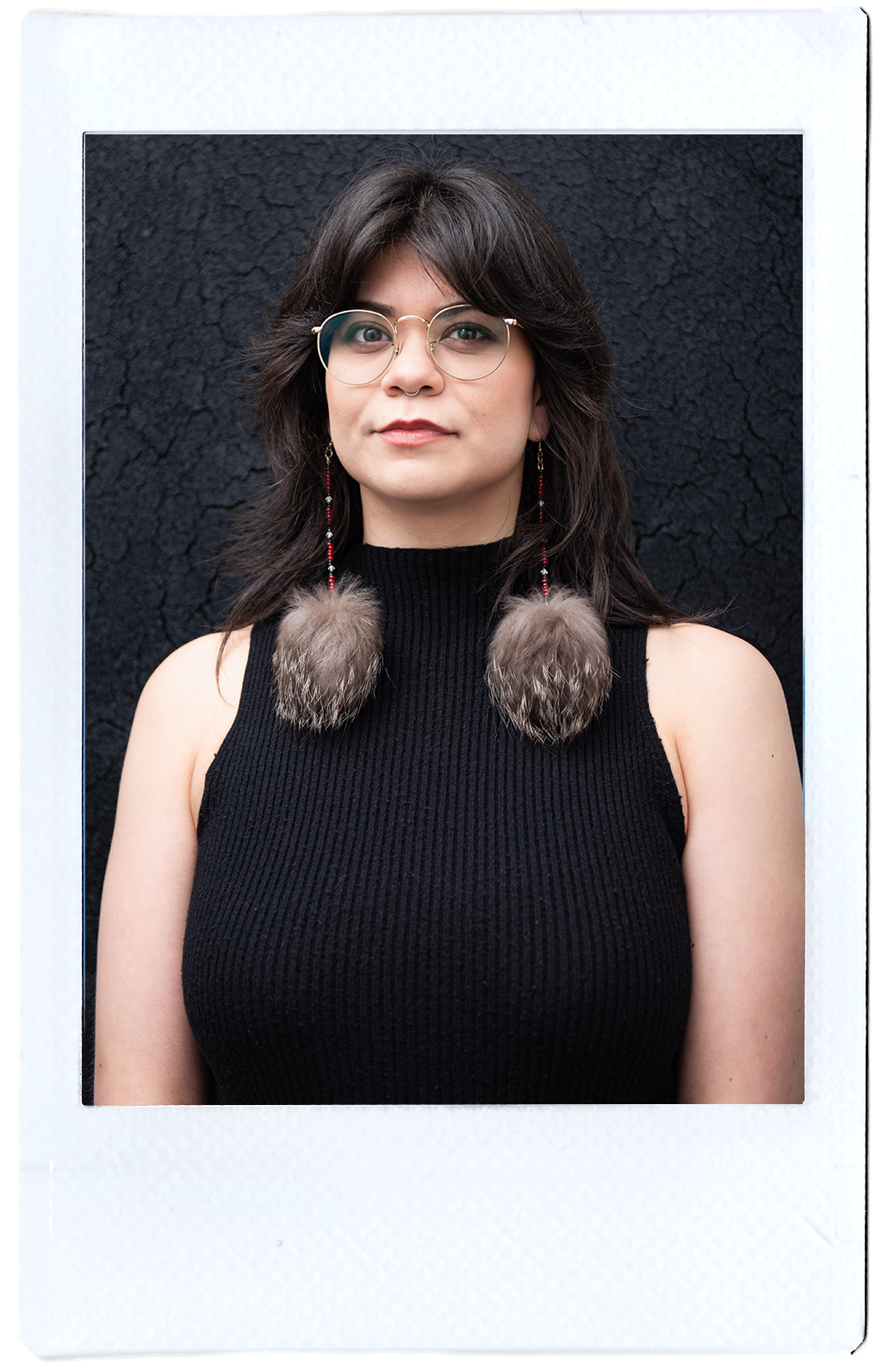
Ash Frantz, Community Engagement Lead
Ash Frantz (Makah) is a Seattle-based multidisciplinary artist and emerging curator graduating this spring from the MFA Studio Arts program at the Institute of American Indian Arts. Ash was born and raised in Port Angeles, Washington, homelands of K’Lallam/S’Klallam people, and not far from the Makah reservation in Neah Bay. They moved to Olympia in pursuit of a Bachelor of Arts in Indigenous Humanities through the Native Pathways Program (NPP) at The Evergreen State College. Ash served as NPP’s Program Coordinator where they focused on community outreach, planning student gatherings in the Evergreen Longhouse, NPP graduation, student governance, and more. Working with NPP was pivotal in Ash’s trajectory as both an artist and community leader. After beginning their MFA, Ash sought out a new role to engage both their love for community programming and art. They were able to explore this exciting intersection as a Curatorial Programs Assistant at Tidelands in Seattle. They are thrilled to continue weaving their community programming experience and practice as an artist into their work with the Indigenous Creatives Collective.
-
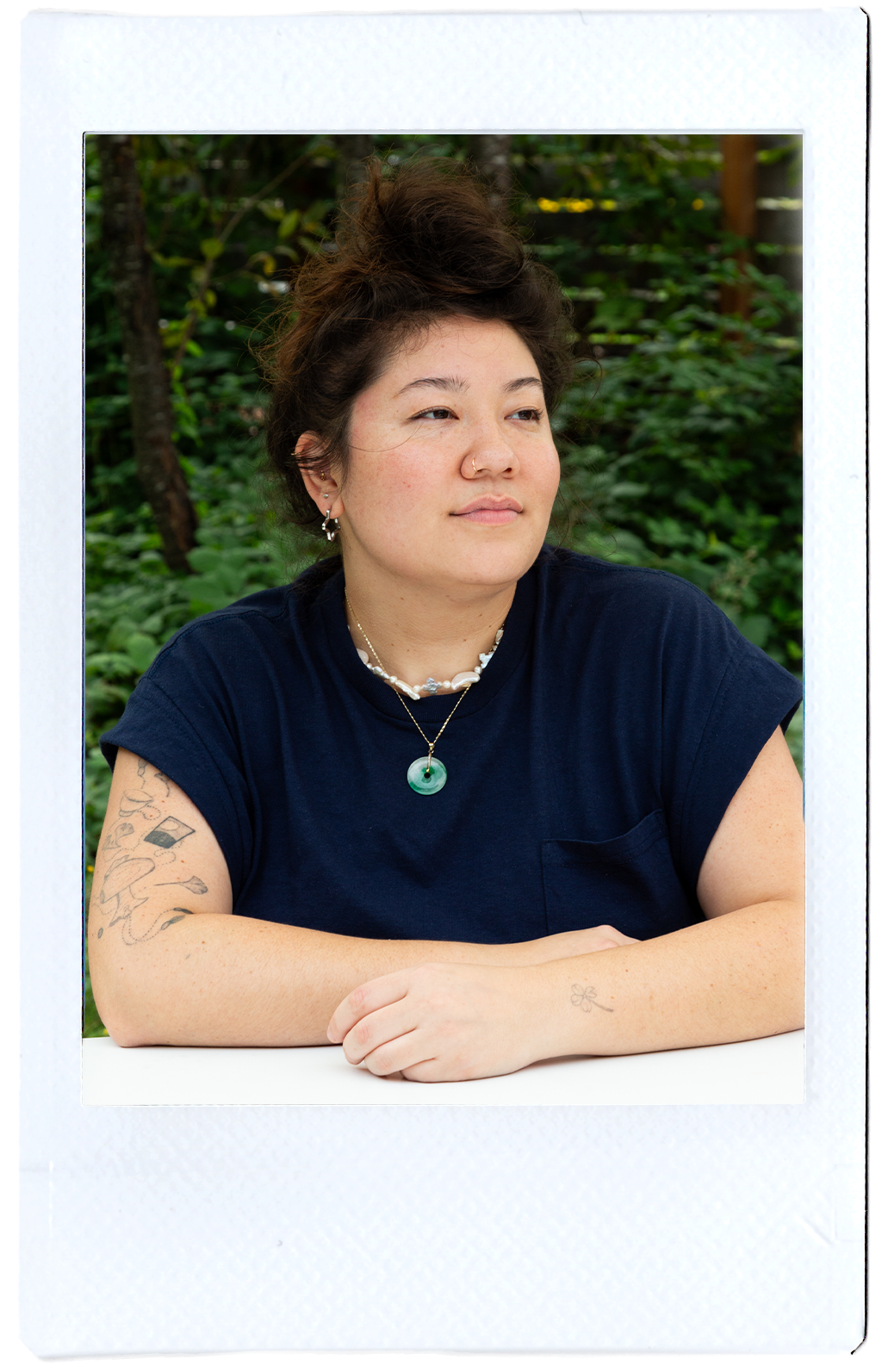
Mel Carter, Development Lead
Mel Carter is a mixed, Yonsei Japanese artist dedicated to supporting QTBIPOC communities. Mel supports community-building, grant writing, development, and philanthropy efforts funding programs, capital projects, and organizational support for yəhaw̓ Indigenous Creatives Collective. Mel holds a BA in Photomedia and a Certificate in Fundraising Management from the University of Washington, as well as 10+ years of professional experience as a visual artist and photographer. Mel has supported yəhaw̓ since 2019 on a variety of exciting projects including documenting all artworks from yəhaw̓’s first inaugural exhibition at King Street Station, creating a low-sensory children’s play area in our brick house and operations facility, and helping build the Rematriation Pavilion led by Native Mentors Kim Deriana and Jen Angaiak Wood and Sawhorse Revolution.
Board of Directors-
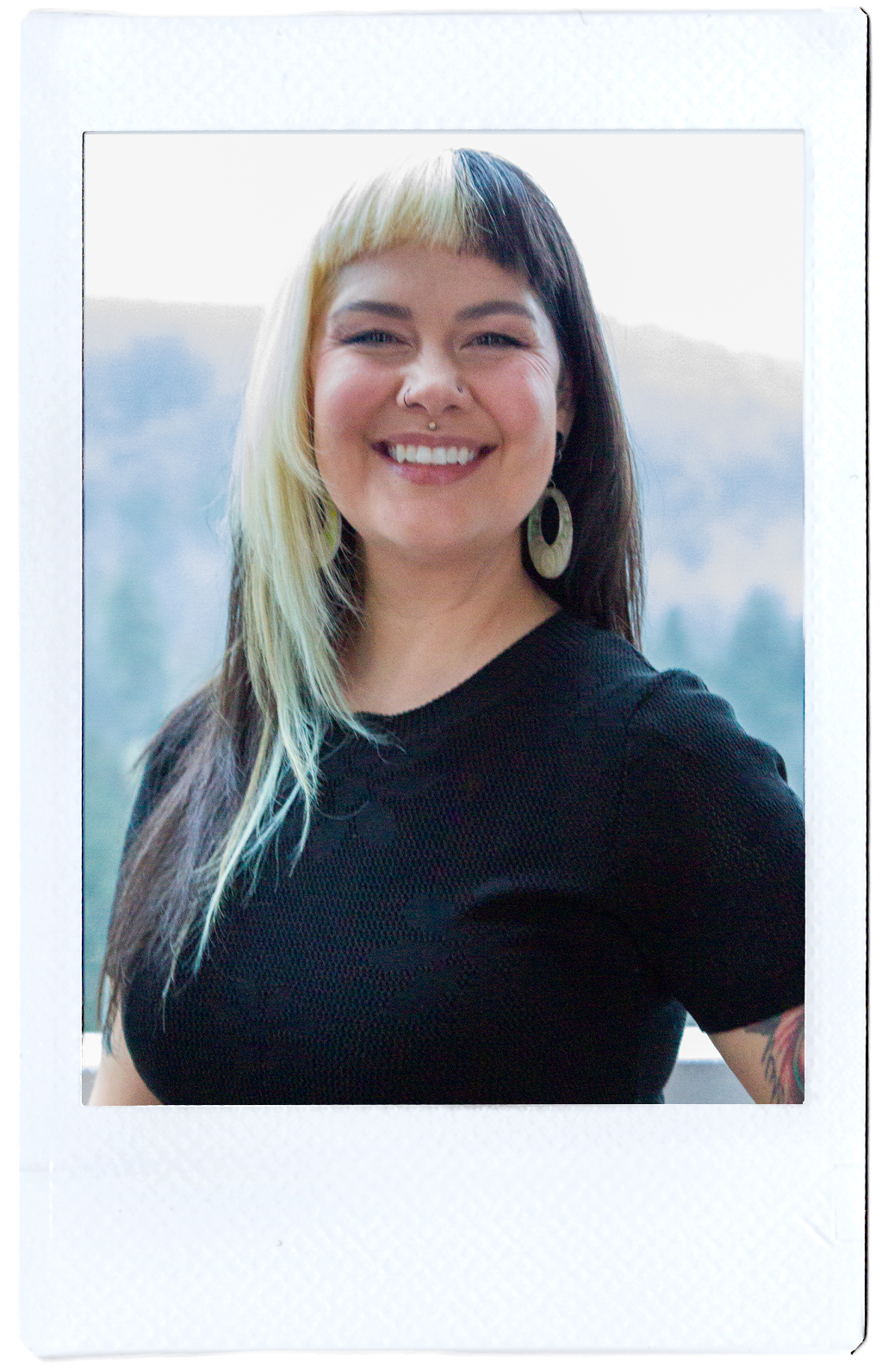
Amanda Chavira
Amanda Chavira, of Lost Birds Beads is a Quileute enrolled Quinault, woman. A descendant of Lost Birds, she began her journey in beadwork as a method of reconnection to her Indigenous ancestors and DNA. Through this work she has experienced deep healing of her Indian, and a reclaiming of culture, stolen. This sparked a constant desire for learning and making with her hands, accessing memory in her body. Amanda strives every day to live and exist Indigenously. She creates mostly in beadwork and cedar weaving.
-
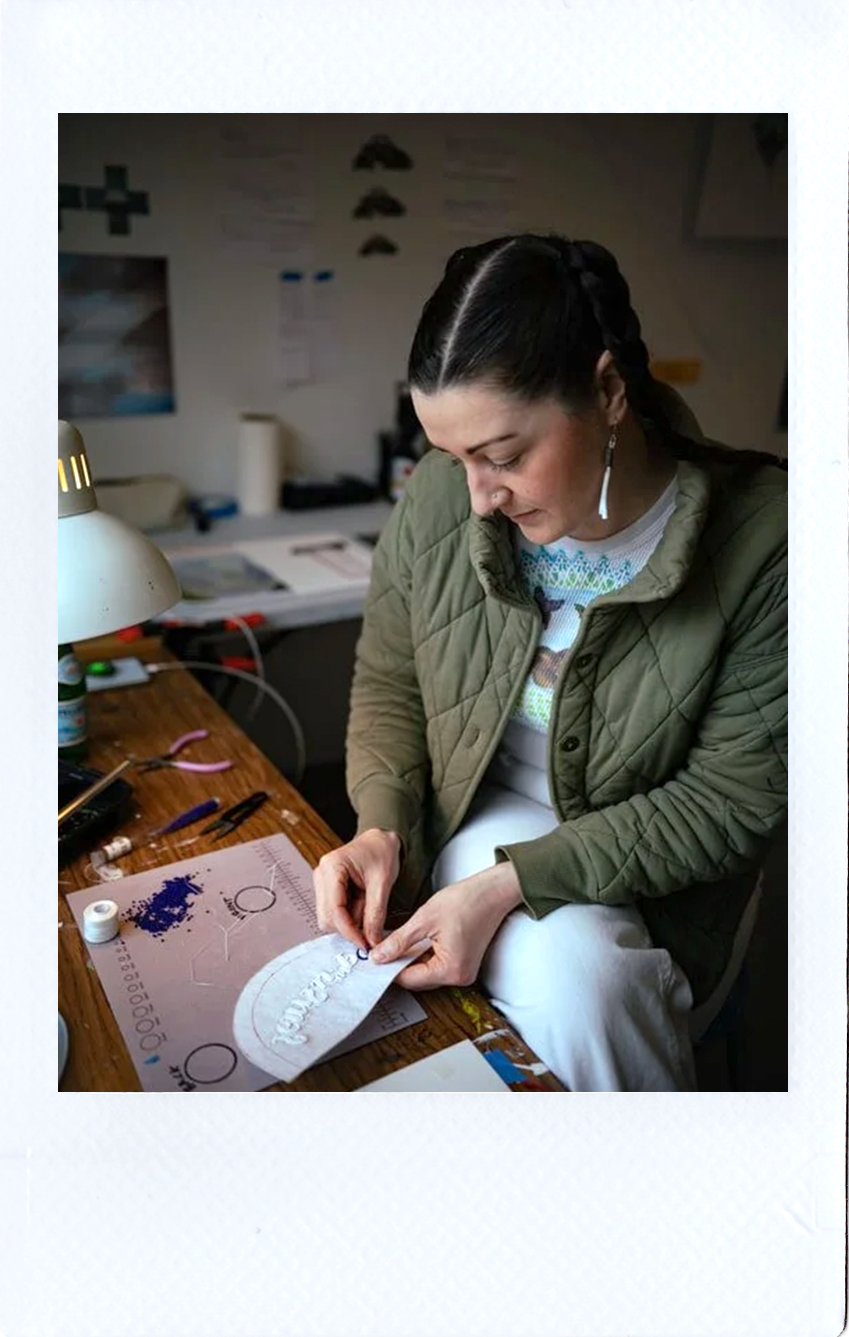
Epiphany Couch
Epiphany Couch (spuyaləpabš (Puyallup), Yakama) is an interdisciplinary artist and writer whose work explores generational knowledge, storytelling, and our relationships with the natural and spiritual worlds. Working across photography, beadwork, weaving, and collage, she reinterprets traditional forms to create images, installations, and sculptural works that engage ancestral knowledge and invite new ways of understanding. Her practice is rooted in unconventional collaboration—across time, between generations, and with the natural world—recognizing these relationships as vital to sustaining memory, culture, and identity. (Photo by Luiza Folegatti)
-
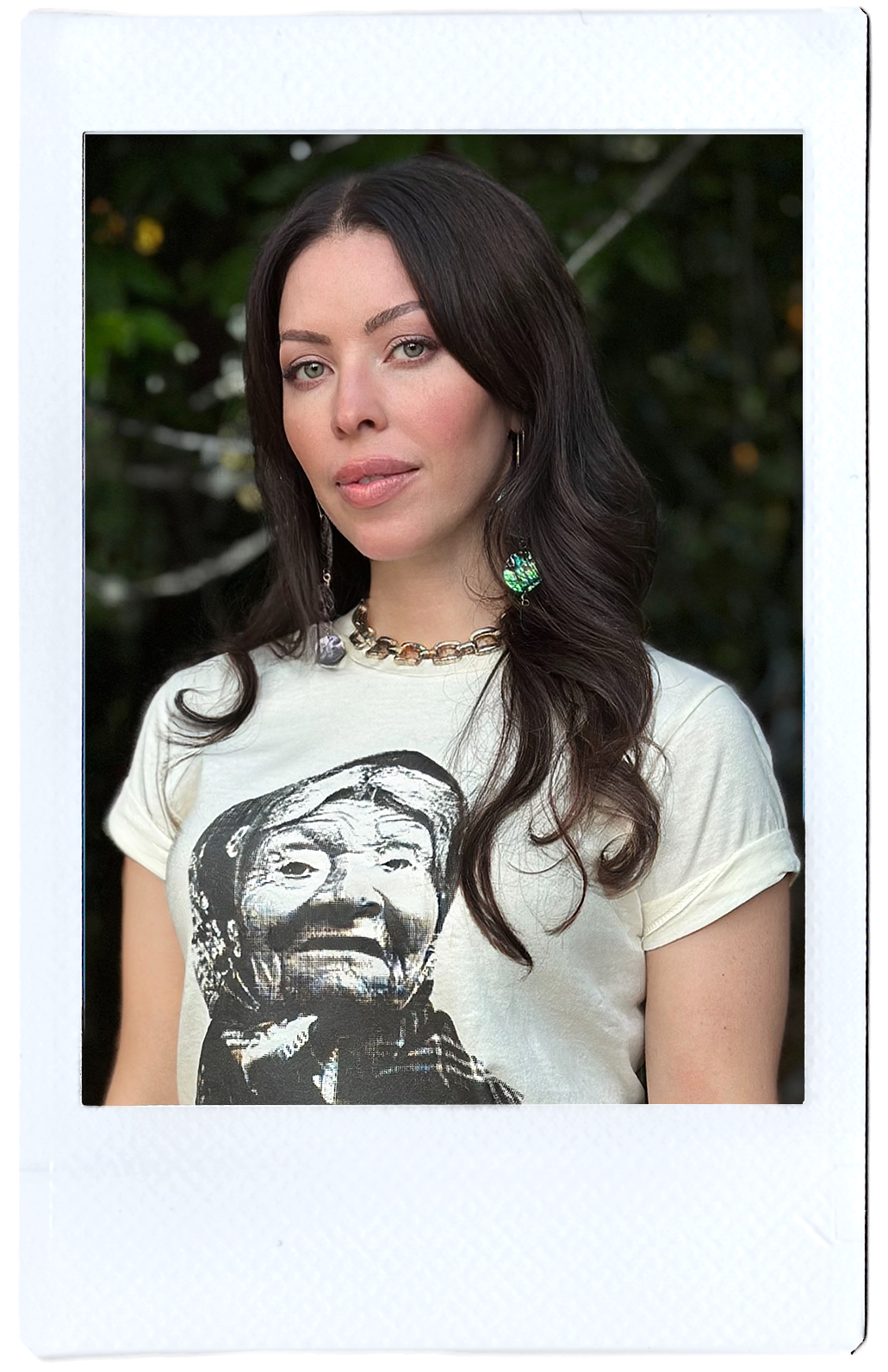
Paige Pettibon
Paige Pettibon is a Tacoma-based artist who incorporates her Indigenous and Black culture in her work. She has identified as a painter from an early age, but has added sewing, creative writing, digital art, and jewelry making into her repertoire. Pettibon’s studio practice centers around building community within culture and identity in various art forms. She believes we can create social change through creative expression by sharing our narratives. As a Lushootseed speaker, she practices the virtues carried out through the speaking community, which are to be kind, helpful, and sharing. The work she creates is formed with these good intentions, knowing it is important to be careful with the content you create in the world.